Tea Master
How to brew pu-erh tea
To brew pu-erh, use 7 g of leaf per 100 ml of water at 95 °C (203 °F), rinse it once for 5–10 seconds, then pour steeps of 10, 15, 20, 30, 45, 60 and 80 seconds. That is the gongfu way for ripe (shu) pu-erh; raw (sheng) takes 8 g and a slightly shorter run. In a mug, use 2 g per 100 ml of shu at 96 °C (205 °F) for 3.5–4 minutes.
Pu-erh brewing chart
| Tea and style | Water | Leaf per 100 ml | Steeps |
|---|---|---|---|
| Shu (ripe), gongfu | 95 °C (203 °F) | 7 g | 10, 15, 20, 30, 45, 60, 80 s |
| Shu (ripe), western | 96 °C (205 °F) | 2 g | 3.5 min, then 4 min |
| Sheng (raw, young), gongfu | 95 °C (203 °F) | 8 g | 10, 15, 15, 25, 40, 60 s |
| Sheng (raw, young), western | 95 °C (203 °F) | 1 g | 3 min, then 5 min |
| Aged sheng cake, gongfu | 100 °C (212 °F) | 5.5 g | 10, 10, 15, 20, 30, 45, 60, 90, 120, 180 s |
| Aged sheng cake, western | 95 °C (203 °F) | 1.5 g | 3 min, then 4 min |
| Cha Gao (pu-erh resin) | 95 °C (203 °F) | 0.5 g | stir about 60 s until dissolved |
Rinse every pressed pu-erh first: 5–10 seconds for shu and young sheng, about 8 seconds for an aged cake. 100 ml is about 3.4 fl oz, so a 120 ml gaiwan takes roughly 8 g of shu.
Shu or sheng: which one you have
Shu (ripe) pu-erh is fermented in heaps before pressing. The leaf is dark brown, the liquor is almost black-red, and the taste is earthy, smooth and sweet. It forgives hot water and long steeps.
Sheng (raw) pu-erh is pressed without that step and ages slowly. Young sheng is green-gold in the cup, floral or fruity, and can turn bitter fast. That is why it gets more leaf but short early steeps. After many years a sheng cake turns amber and mellow, so the recipe shifts to boiling water, less leaf and a longer run of steeps.
If the label is unclear, look at the wet leaf after the rinse: shu is uniformly dark, sheng still shows green or olive leaves.
How to brew pu-erh gongfu style, step by step
- Weigh the leaf. Multiply the vessel size by the ratio: 7 g per 100 ml of shu, 8 g of young sheng. A 150 ml teapot takes 10.5 g of shu.
- Heat the water to 95 °C (203 °F). For an aged sheng cake, use it straight off the boil.
- Warm the vessel with hot water and pour it out. A warm gaiwan or clay pot keeps the temperature steady.
- Rinse. Add the leaf, cover with water, pour off after 5–10 seconds. The rinse wakes up compressed leaf and washes off dust. Do not drink it.
- First steep: 10 seconds. Pour the water, close the lid, and decant completely at 10 seconds into a pitcher or cups.
- Keep adding time. Shu runs 10, 15, 20, 30, 45, 60, 80 seconds. Sheng runs 10, 15, 15, 25, 40, 60 seconds.
- Go past the schedule if the leaf still gives. When the liquor turns pale, add a minute or two per steep, or finish with one long steep of several minutes.
Short steeps are the whole point of gongfu brewing: a lot of leaf, little water, and many small cups that each taste a bit different.
How to brew pu-erh western style, in a mug or teapot
For a 300 ml (10 oz) mug of shu, use 6 g of leaf and water at 96 °C (205 °F). Rinse for 5–10 seconds, then steep 3.5 minutes. The second steep takes 4 minutes. Use an infuser basket or a strainer so you can lift the leaf out on time.
Young sheng needs a lighter hand: 1 g per 100 ml at 95 °C (203 °F), so 3 g in a 300 ml mug, for 3 minutes, then 5 minutes for the second cup. An aged sheng cake sits in between with 1.5 g per 100 ml for 3 and 4 minutes.
Pu-erh tea bags follow the same western times. Most hold broken leaf that brews fast, so start at 3 minutes and taste.
Leaving pu-erh in hot water for 20 minutes or keeping it in a thermos all day gives a flat, heavy, bitter brew. Strain it once the time is up.
Cake, brick, mini tuo and pu-erh balls
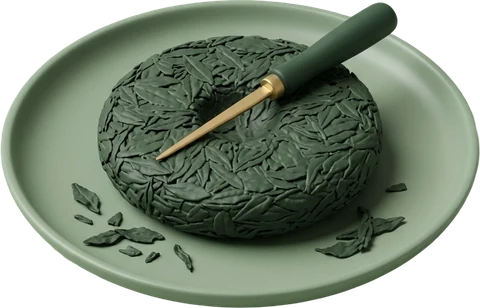
- Cake (bing) or brick (zhuan). Slide a pu-erh knife or a blunt pick into the side, not the centre, and lever off flakes along the layers. Aim for chunks and whole leaves, not powder. Crushed leaf brews bitter and clogs the strainer. Let fresh flakes rest a day or two in a paper bag or jar if you can; many people find the taste opens up.
- Tuo cha (bird's nest shape). Break it like a cake, working in from the hollow underside.
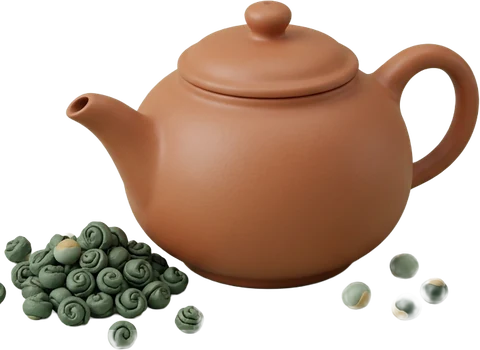
- Mini tuo and pu-erh balls. These are pressed very tightly into single servings. Weigh one, brew it in a vessel sized to match, and give it a longer rinse of 10–15 seconds or two rinses so it starts to unfold. The first two steeps may be weak; the leaf opens fully by the third.
- Loose pu-erh. Brews like any loose leaf. A 5-second rinse is enough.
- Cha Gao. This is dried pu-erh extract, not leaf. Dissolve about 0.5 g per 100 ml in water at 95 °C (203 °F) and stir for about a minute. There is nothing to rinse or re-steep.
Common pu-erh mistakes
- Skipping the rinse on pressed tea. The first steep comes out thin and dusty.
- Long early steeps for young sheng. Thirty seconds on the first pour is enough to make it harsh. Keep the first ones at 10–15 seconds.
- Water that is too cool for shu. Below about 90 °C it tastes thin and the earthy sweetness stays locked in. See the water temperature chart for other teas.
- Too little leaf in gongfu. Two or three grams in a gaiwan means you have to steep for minutes and lose the point of short pours.
- Not draining the vessel. Water left on the leaf keeps brewing and the next steep turns bitter.
- Breaking the cake into dust. Use a knife and patience. Powder over-extracts.
How many times can you steep pu-erh
Ripe pu-erh gives at least 7 gongfu steeps on the schedule above, and good shu often goes further with longer times. Young sheng gives about 6 short steeps before you stretch the times. A well-aged sheng cake is the most generous: 10 steeps from 10 to 180 seconds, and often more.
Western style gets 2 cups from the same leaf. Stop when the liquor turns pale and tastes like water with a woody note, or when a steep of several minutes adds nothing. The full list by tea type is in how many times you can steep tea.